
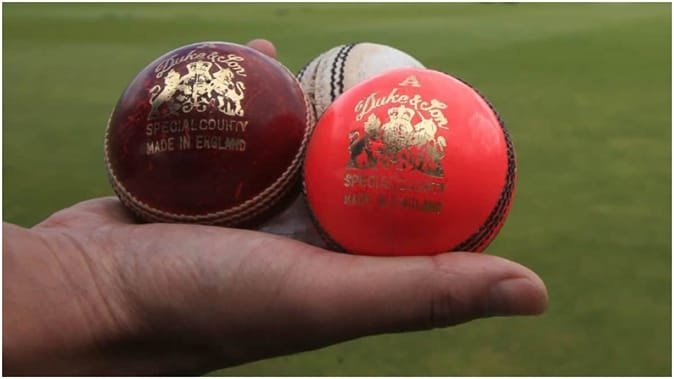
In the game of Test cricket, now not only rain but also bad light is becoming a big hindrance to the game. Sometimes the weather is absolutely clear and there is no possibility of rain, but due to dense clouds in the sky or the onset of dusk, it becomes very difficult for the batsmen and fielders to see the ball. Keeping the safety of the players in mind, umpires are forced to stop the game. This leads to loss of valuable overs and ultimately has a negative impact on the exciting outcome of the match. To find a permanent solution to this serious problem, former South African all-rounder Shaun Pollock has given a unique suggestion of using the pink ball in traditional day test matches.
Play disrupted by bad light in Durban Test
between South Africa and Australia Durban In the Test match played at the historic Kingsmead ground, bad light had spoiled the fun of the game to a great extent. There was a huge loss of about 50 overs within the first three days of this match. This situation is clear evidence that weather-related obstacles in Test cricket are not limited to rain only.
Traditionally a Test match lasts for five days and the aim is to bowl as many overs as possible within the stipulated time each day. Normally there is a rule of bowling 90 overs in a day, which results in a total of 450 overs played in five days. But when play has to be stopped repeatedly due to bad light, teams do not get enough time to put their strategic plans in place. Its biggest loss is to those fans who come to the stadium to watch the match by purchasing tickets, who do not get to watch the entire day’s play. Additionally, as the number of overs in the game decreases, the chances of a match being drawn increase and the chances of a result decreasing.
Argument for using pink ball instead of red ball
The traditional red ball is generally used in day test matches. This ball is easily visible in mild sunlight or bright light, but it becomes very difficult to see it when the sky is cloudy or in low light in the evening. Shaun Pollock believes that if the pink ball is used in such adverse conditions, its bright color can help in seeing the ball clearly even in low light and under cloudy sky.
There are mainly three big arguments being given for trying the pink ball in day matches:
Better Visibility: It becomes easier for players to track the ball when it is cloudy or in the evening.
Less interruptions in game: If the ball is clearly visible, umpires will not need to stop play frequently due to bad light.
Strong probability of outcome: Completing as many overs as possible will give both teams enough time to ensure their victory in the match.
ICC rules and provision of pink ball
The pink ball is normally used in ‘day-night’ Test matches played under floodlights. The International Cricket Council (ICC) has decided to use the pink ball even in normal day test matches to deal with the problem of poor visibility. However, the most important condition for this is that it is mandatory to have mutual consent between the captains of both the teams before entering the field. If the captain agrees to this change at the time of the toss, then the pink ball option can be adopted in the day’s Test as well.
Red vs pink ball: a comparative look
| criteria | traditional red ball | modern pink ball |
| main use | traditional day test matches | day-night test match |
| visibility | Difficulty seeing in low light and clouds | Relatively clear in low light and clouds |
| main advantage | Historical tradition of test cricket | Option to overcome visibility problem |
| Role | Standard for normal day play | A way to save game time in bad light |
Will pink ball improve the excitement of Test cricket?
This suggestion by Shaun Pollock is a positive step towards saving valuable time wasted due to bad light in Test cricket. If overs of the game can be saved by the use of pink ball, then both the thrill and results of the matches can be better. However, simply changing the color of the ball is not the solution to every problem; In this, the safety of the players, actual lighting of the field and accurate assessment of the umpires are equally important. The real beauty of Test cricket lies in its test of patience, strategy and technical skills, and this option to save the game from bad light could prove to be a game changer in the times to come.